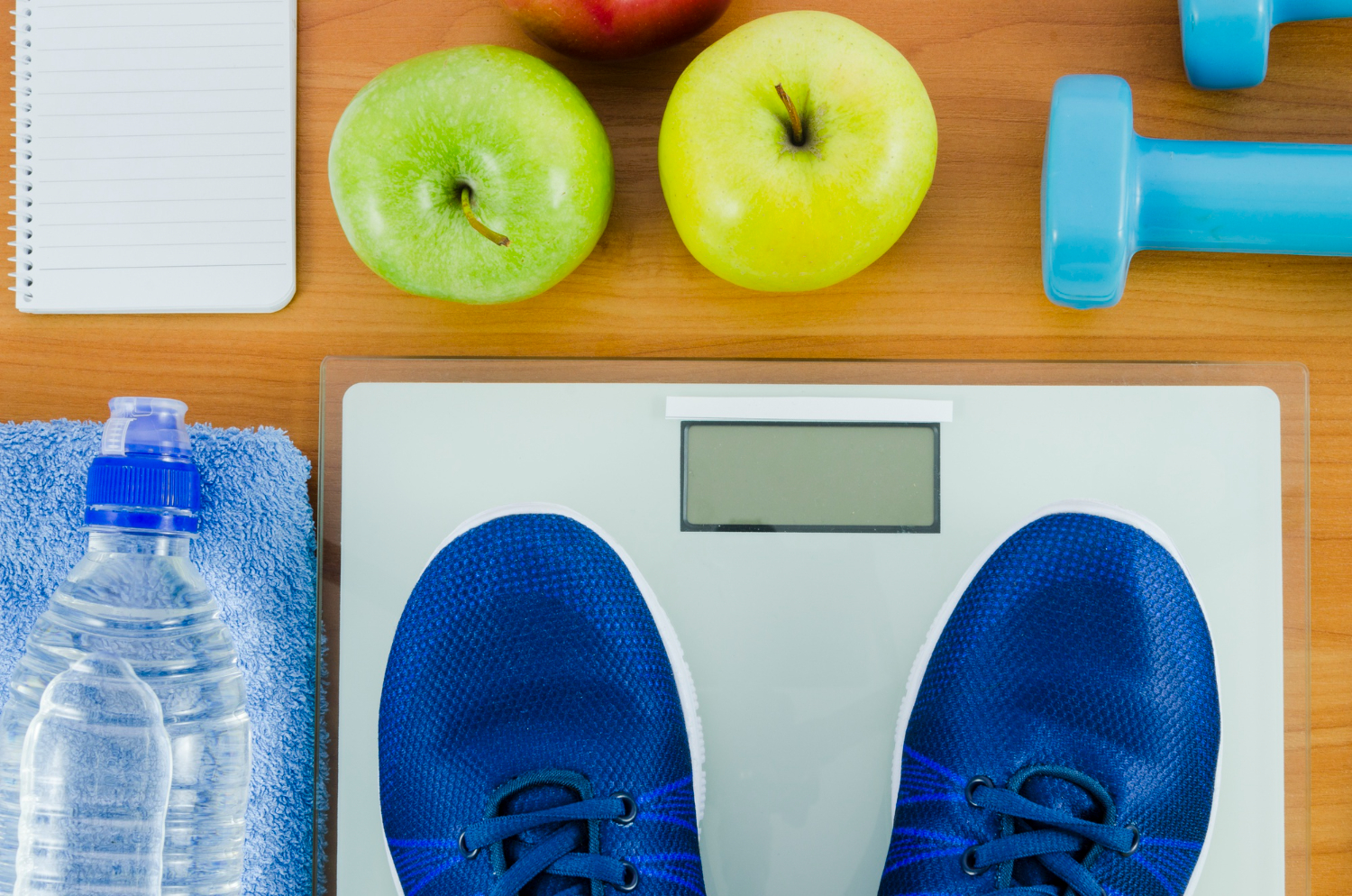
Four weeks with no weight loss. You're still taking your GLP-1 medication. You're still following the program. But the scale just doesn’t seem to be moving.
Plateaus can be common during a weight loss program.
We asked CareBox customers about their weight loss journeys so far, and the response was clear: when they experience a weight-loss plateau, they want support and options on how to break through and get back on track.
This article addresses several reasons why weight loss may slow down on a GLP-1 medication, as well as ideas to help you get back on track. Some you may be able to address today; others may need a conversation with your licensed healthcare provider. All of them are worth considering.
Stalled for weeks? Your CareBox care team may be able to help identify what's happening and what to do next.
As your body loses weight, it may adjust how many calories it burns. A smaller body might need less energy to function. This is normal, but the degree of adjustment varies for everyone.
Research published in the International Journal of Obesity found that people maintaining a reduced body weight experienced up to a 20-25% decrease in 24-hour energy expenditure, beyond what their smaller body size alone would explain.
In practical terms: if you lost 20 pounds in your first 3 months, the calorie deficit that created that result may no longer exist, even if eating habits haven't changed.
Some indicators that your metabolism may be adjusting to your weight loss:
When you eat less, you may end up eating less protein—and protein is a nutrient your body often needs more of during weight loss.
Without enough protein, your body may break down muscle tissue instead of fat. Less muscle can mean a slower metabolism, which can make weight loss harder.
Research from the School of Medicine at Missouri University found that higher protein diets produced greater fat loss while preserving lean muscle, and significantly reduced weight regain afterward (17% regain vs. 37% on standard protein intake).
Some signs you may have a protein deficit:
This one surprises people. When solid food intake drops—as it might on GLP-1 medication—beverages sometimes fill in the gap. The problem is that some beverages contain significant calories that may not trigger the same fullness signals as food.
Some sources of these potentially “hidden” liquid calories are:
You may find yourself drinking more liquids on GLP-1 medication because solid food feels heavy when appetite is suppressed, and beverages tend to go down easily. This may contribute to a “hidden” calorie intake and therefore, affect weight loss.
Want help identifying what could be stalling your progress? Connect with a Registered Dietitian to review your nutrition goals.
During deep sleep, your body regulates the hormones that control hunger, metabolism, and fat storage. When sleep is disrupted, those hormones can shift, and weight loss may slow or stop.
Research from the University of Chicago found that short sleep durations raise ghrelin (the hormone that increases hunger) and lower leptin (the hormone that signals fullness). According to the same study, for women experiencing hot flashes or night sweats, this effect may be compounded. Disrupted sleep doesn't just make you more tired—it may signal to your body to hold on to fat.
Signs sleep may be contributing to a weight-loss plateau:
Cortisol is a stress hormone in your body. In short bursts, it's useful. When it stays elevated (as it tends to during chronic stress), it may contribute to fat storage.
Research published in the Journal of Molecular Biochemistry found that chronic stress-related cortisol elevation favors fat storage in the abdominal region, and that an 8-week stress management program produced a significantly larger BMI reduction than standard care alone (-3.1 kg/m² vs. -1.74 kg/m²).
Chronic stress may also increase appetite, especially for high-calorie foods, even when GLP-1 medication is helping to suppress appetite through other mechanisms.
Signs you may be dealing with elevated stress include:
There are several hormonal conditions that may contribute to slowed or stalled weight loss even with a GLP-1 medication. Some of these include thyroid dysfunction, Polycystic Ovary Syndrome (PCOS), and menopause-related hormonal changes.
Thyroid dysfunction. Hypothyroidism (an underactive thyroid) can slow metabolism. It can affect how quickly your body uses energy, which may offset the calorie deficit GLP-1 medication is formulated to help you achieve.
The National Institute of Diabetes and Digestive and Kidney Diseases (NIDDK) notes that nearly 5 out of 100 Americans ages 12 and older have hypothyroidism, and that women and people over 60 are at higher risk.
PCOS (polycystic ovary syndrome). PCOS is associated with insulin resistance, which can make fat loss harder even on a GLP-1 medication. It's more common in women of reproductive age, but its effects on metabolism can persist.
Menopause-related hormonal changes. The average age when women begin to experience menopause in the United States is 52. During and after menopause, declining estrogen levels may affect where the body stores fat, how quickly it burns calories, and how it responds to weight loss efforts. Postmenopausal women may find that the same program produces slower results than they expected—not because the program isn't working, but because their hormonal context has changed.
Signs a hormonal condition may be impacting your weight loss efforts:
Published research on GLP-1 medication for weight loss consistently shows a weight loss curve that is steepest early and flattens over time.
“Normal” progress looks different for everyone, but here’s what you might experience over time on GLP-1 medication:
A slow weight loss week or two is not a failure, and stalled weight loss is not a failed program.
When we surveyed CareBox customers, the response was clear. People want to keep weight off long-term, and they want to break through weight-loss plateaus.
If the lifestyle changes we’ve covered above aren’t helping you reach your goals, it may be time to have a conversation with your care team about other options. With CareBox, a licensed healthcare provider will review your history and, if appropriate, prescribe a different medication.
We know you want to succeed. Your CareBox care team is here to help you do just that.
There are many reasons why your weight loss may stall, and some of those include metabolic adaptation (your body burning fewer calories as weight drops), protein deficit, liquid calorie intake, sleep disruption, and elevated cortisol from chronic stress. For women over 45, menopause-related hormonal changes and thyroid dysfunction may also contribute to plateaus. This article addresses some common factors, and provides suggested changes to help with each.
Try smaller lifestyle changes first: check your protein intake, audit your liquid calories, and assess sleep quality. If lifestyle adjustments don't help within 4-6 weeks, talk to your licensed healthcare provider. They may review your dose, your plan, or whether an underlying condition may be contributing. Results vary.
The idea of 'shocking' the body isn't a scientifically recognized concept. What may help is adding or increasing resistance training, raising protein intake, improving sleep quality, and reducing liquid calorie sources. These changes may create new metabolic inputs that can help you break through a plateau. Results are not the same for everyone, so always discuss significant routine changes with your licensed healthcare provider first.
First, review the possible factors explained in this article; your weight loss stall may have an identifiable, fixable cause that isn't medication failure. If lifestyle adjustments over 4-6 weeks don't produce change, talk to your licensed healthcare provider. They may review your dose, assess for underlying conditions, and discuss whether a different approach may be more effective for where you are now. Results vary.
When you join CareBox, a licensed healthcare provider will review your health history and determine if medication is appropriate for you. If eligible, you’ll have access to a support team of Care Coaches and Registered Dietitian as part of the program.
CareBox may not be the right choice if:
Consider contacting your licensed healthcare provider if:
Review the full Important Safety Information to know what side effects you may experience from GLP-1 medication.
Ready to find out what might be contributing to your plateau (and how to break through)?? Your CareBox care team is eager to help.
A weight-loss plateau on GLP-1 medication may be the result of many factors.
To help your body get back on track, consider starting with smaller lifestyle changes like increasing your protein intake, decreasing liquid calories, and improving your sleep. If you’re still struggling after 4-6 weeks, it might be time for a conversation with a licensed healthcare provider to discuss other possible factors.
Important Safety Information
CareBox connects patients with licensed providers who may prescribe medication through state-licensed pharmacies. Prescription medication is only available if prescribed after an online consultation, as applicable, with a healthcare provider. Physicians may prescribe compounded medications as needed to meet medical necessity or drug shortages. The FDA does not review or approve any compounded medications for safety or effectiveness. Results may vary. Please review the Important Safety Information.