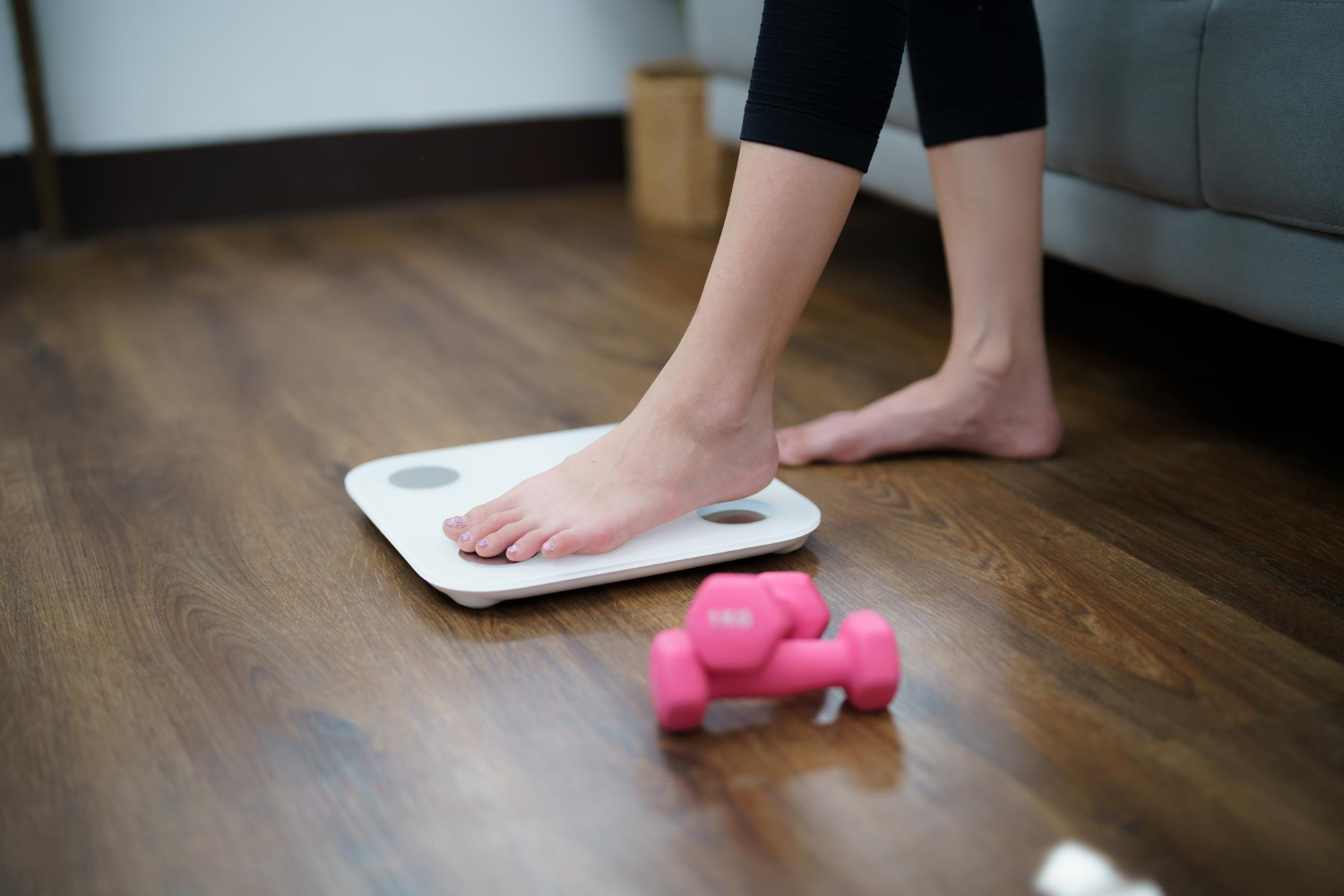
You step on the scale. It says you're down 20 pounds. And then you look in the mirror, and you're not sure what you expected.
Losing 20 pounds is a big deal, but the changes happening inside your body can be even bigger than what you see.
Energy, sleep, mood, hormones, hunger—all of it can shift. Some changes feel amazing. Others can catch you off guard. This article walks through what's really going on. No hype. Just honest, clear information so you know what to expect.
Ready to see what's possible? Start here.
Weight loss isn't just about fat.
When you lose 20 pounds, your body is adjusting how it stores energy, regulates hormones, and manages inflammation. Research shows that even modest weight loss can reduce markers of inflammation in the body.
Here's what's shifting under the surface:
These can be meaningful changes that can affect how you feel every day.
Many people notice a few things before they see a big difference in the mirror. Here are the early signs your body is changing:
Studies from the CDC confirm that losing even 5–10% of body weight has measurable health benefits.
This one surprises a lot of people. You can lose 20 pounds and feel like nothing has changed in the mirror. That's real, and it's not uncommon.
A few reasons this happens:
This is why the scale alone isn't the best measure of progress. Track how you feel, not just what you see. More on that below.
Curious if a GLP-1 program is right for you? See how CareBox works.
Energy is one of the first things people mention when they're losing weight. Many people report feeling more alert during the day. Some notice their mood lifts.
There's a reason for that. Research published by the NIH shows that weight loss is associated with improved mood and reduced symptoms of depression in some people.
But here's the honest part:
If your energy dips in the first few weeks, that's often temporary. Give your body time to adjust. Stay hydrated. Eat enough protein. Results vary.
This is where things get interesting, especially for women 45 and older. Hormones and body weight are deeply connected. When your weight changes, your hormones can shift too.
Here's what may happen:
GLP-1 medications like compounded semaglutide work in part by affecting hunger hormones. That's why many people find it easier to eat less—not because they're forcing themselves, but because their hunger signals change.
For women going through menopause, these shifts can feel even more noticeable.
Talk to your licensed healthcare provider if you have questions about how weight loss may affect your hormones.
The scale is just one number. Here are better ways to track weight loss progress:
Keep a simple log. You don't need an app. A notebook works. When you look back after 60 or 90 days, the changes are often clearer than you might expect.
Most of these body changes are normal, but there are times to reach out. Contact your licensed healthcare provider if you notice:
For a full list of side effects and safety details, see CareBox's Important Safety Information. Your care team is there for you. Don't wait if something feels off.
CareBox is a US-based telehealth program. We help customers access GLP-1 medications with real clinical support. Here's what's included at no extra cost:
10,000+ customers nationwide have trusted CareBox on their weight loss journey. Many of them were right where you are now—unsure what to expect, hoping this time would be different.
See if you qualify. It takes just a few minutes.
Losing 20 pounds is more than a number. Your energy may improve over time. Your sleep can get better. Your hormones might shift. Your hunger may change.
The changes happening inside your body are real, even when the mirror is slow to show them. Be patient, track how you feel, and reach out when you need support.
Important Safety Information
CareBox connects customers with licensed providers who may prescribe medication through state-licensed pharmacies. Prescription medication is only available if prescribed after an online consultation, as applicable, with a healthcare provider. Physicians may prescribe compounded medications as needed to meet medical necessity or drug shortages. The FDA does not review or approve any compounded medications for safety or effectiveness. Results may vary. Please review the Important Safety Information.