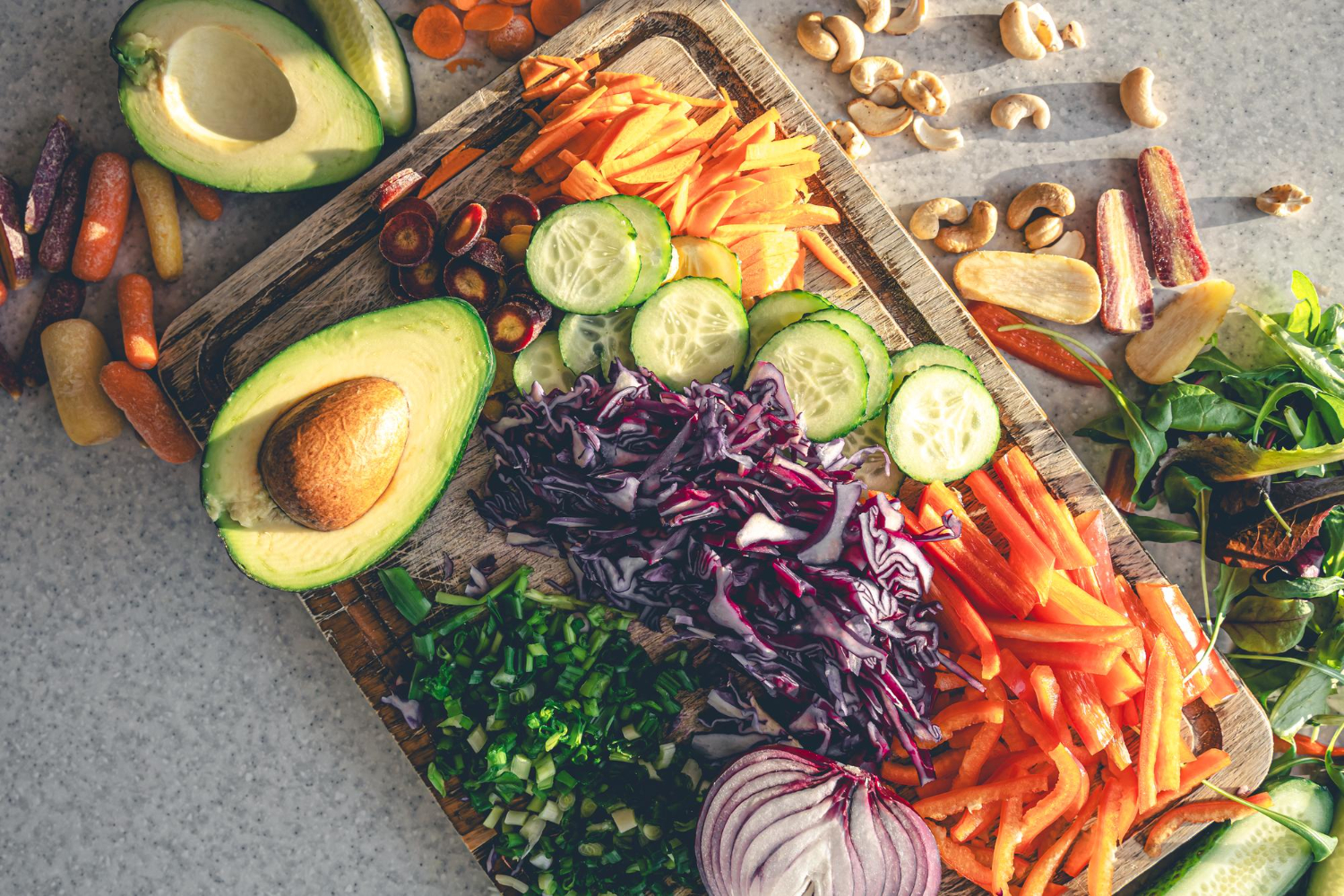
You reach for a new moisturizer. You try a serum. You layer on sunscreen.
But sometimes, your skin still looks dull, dry, or uneven, and no cream seems to fix it.
Here's the truth: your skin is built from the inside out. The nutrients you eat every day are the raw materials your body uses to grow new skin cells, make collagen, and fight dryness.
Creams can help, but they can't replace what food does at a cellular level.
A 2024 study found that diet plays a major role in skin aging and skin condition more than many people expect.
This post breaks down the 7 foods (and food groups) most linked to healthy skin. It also explains what happens to your skin during weight loss and what you can do about it.
Want support that goes beyond a quick fix? See how CareBox can help.
Before we get to the food list, here's a quick look at the key nutrients that show up in skin research.
You don't need to memorize these. Just know that the foods below are full of them.
These are some of the best sources of vitamin C—and vitamin C is one of the most studied nutrients for skin health.
Your body needs vitamin C to make collagen. Collagen is the protein that helps keep skin firm. Vitamin C also acts as an antioxidant, meaning it helps protect your skin from damage caused by sunlight and pollution.
Low vitamin C can lead to dull, dry, or rough-feeling skin over time.
Easy ways to eat more:
Fatty fish is one of the top food sources of omega-3 fatty acids. Omega-3s help keep your skin barrier intact.
Your skin barrier is the outer layer that keeps moisture in and irritants out. When it's weak, skin can feel dry, tight, or red.
Research published in PubMed shows that omega-3s may help reduce inflammation in the skin and support moisture levels, especially in people with eczema or dry skin conditions.
Aim for 2 servings of fatty fish per week. If fish isn't your thing, try:
Spinach, kale, arugula, Swiss chard. These are packed with vitamins A, C, and E, plus antioxidants that protect skin cells.
Vitamin A helps your skin renew itself. It's the same nutrient that retinol creams are based on, except here, you're getting it from food.
These greens also contain water, which helps with hydration. Here are some easy ways to work more leafy greens into your diet:
Eggs contain protein, zinc, and biotin—all important for skin cell repair and renewal.
Zinc in particular is linked to skin healing. Low zinc levels have been connected to slower wound healing and, in some studies, more breakouts.
Eggs are also one of the most affordable, flexible proteins you can eat. Hard-boil a batch at the start of the week for easy access.
Avocado is rich in healthy fats, vitamin E, and vitamin C—a strong combination for skin softness and hydration.
Vitamin E works alongside vitamin C to help protect skin from sun damage. Together, they may slow some signs of skin aging too.
Avocado also contains lutein and zeaxanthin, antioxidants that help protect skin tissue. Add avocado to salads, eggs, wraps, or eat it plain with a pinch of salt.
Ready to start from the inside out? Learn how CareBox supports your whole health.
Collagen is the protein that gives skin its structure and bounce. Your body makes less of it as you age, especially after 40.
Some foods contain collagen directly, or they contain the building blocks your body needs to make it. Collagen-supporting foods include:
Collagen supplements (like collagen peptides) are popular, but results vary. Talk to your licensed healthcare provider before adding a new supplement.
Hydration might be the simplest skin tip there is. Dehydration can make skin look dull, dry, and more lined than it actually is.
Most adults need at least 8 cups of water a day—more if you're active or taking medications.
Not a big water drinker? Consider water-rich foods:
Herbal teas (no sugar) also count toward your daily fluid intake.
If you're losing weight—especially significant weight—you may notice changes in your skin texture, tone, or firmness.
This is common. And it's often tied to a few things happening at once:
The foods in this post, especially protein, vitamin C, and omega-3s, can help support your skin during this time.
Eating enough protein is especially important. Protein is what your body uses to maintain and rebuild tissue, including skin.
Aim for at least 0.7–1 gram of protein per pound of body weight per day. Your licensed healthcare provider can help you find the right number for you.
You don't need a complicated routine. Small, consistent habits add up.
These habits support your skin. They can also support your energy, your gut, and your weight.
Many people can improve their skin with food and hydration alone. But talk to your licensed healthcare provider if:
For questions about what medications or treatments may be right for you, see our Important Safety Information page.
CareBox is a telehealth program. We connect you with licensed healthcare providers, Care Coaches, and Registered Dietitians.
That means you get real support, not just a prescription.
Your Care Coaches help you with day-to-day questions. A Registered Dietitian can help you eat in a way that supports your goals, including skin health during weight loss.
Your price doesn't go up just because your dose does. Everything is included in one clear price. No hidden fees.
Many patients report feeling more supported with CareBox than with other programs. Results vary.
See how CareBox works—and take the first step toward better health.
Your skin reflects what you eat. The right nutrients—vitamin C, omega-3s, zinc, collagen-builders, and water—can help your skin look and feel better from the inside.
No cream can replace a diet full of colorful vegetables, lean protein, healthy fats, and water.
Start with 1 or 2 changes from this list. See how your skin responds over 4–6 weeks.
And if you want more personalized support, a Registered Dietitian at CareBox can help you build a plan that fits your life.
Important Safety Information
CareBox connects customers with licensed providers who may prescribe medication through state-licensed pharmacies. Prescription medication is only available if prescribed after an online consultation, as applicable, with a healthcare provider. Physicians may prescribe compounded medications as needed to meet medical necessity or drug shortages. The FDA does not review or approve any compounded medications for safety or effectiveness. Results may vary. Please review the Important Safety Information.